

Contents
What is a Content Creator?
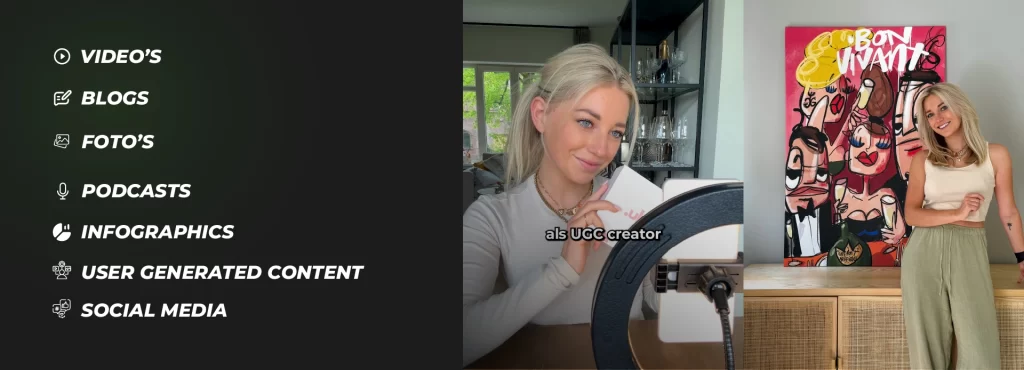
A content creator is someone who comes up with ideas for videos, blogs, photos, and other formats, then turns them into content the target audience can consume. Think entertainment, useful, educational, written, visual, audio, or marketing-related content.
What is expected from a Content Creator?
As a content creator, you can be responsible for social media, videos, images, blogs, podcasts, ads, and more. The exact tasks vary, but the expectations usually look like this:
- Coming up with concepts: developing creative ideas and turning trends into new content that fits the audience.
- Managing projects: handling content plans from start to finish, tracking deadlines, and working with teams.
- Brand checks: making sure content stays consistent with the brand identity, including tone of voice and visual style.
- Research: studying trends, the audience, and data to create relevant and engaging content.
- Copywriting: writing catchy texts for blogs, social posts, and scripts.
- Design & layout: creating basic visual concepts such as graphics and layouts.
- Videography: making videos for platforms like Instagram and YouTube, with a good eye for image and sound.
- Editing: editing videos and images with tools such as Adobe Premiere Pro or Canva.
- Promotion: distributing content via social media, SEO, and paid campaigns to generate as much reach as possible.
What opportunities are there as a content creator?
As a content creator there are several paths you can take, depending on what you want from your career. Do you want stability, variety, or maximum freedom? Below are the main options and their pros and cons.
1: Agencies
At agencies, you often work on projects for several brands, which creates variety in your work. You collaborate with creative teams to develop campaigns and content strategies.
Benefit: you have a steady flow of work and a fixed income.
Drawback: you have less creative freedom because you often have to follow strict brand guidelines.
2: In-house teams
When you work for one brand, you become part of an internal team focused entirely on building the brand identity.
Benefit: you become deeply involved with the brand and can grow within the company over time.
Drawback: there is less variety because you focus entirely on one brand’s content strategy.
3: Freelancer
As a freelancer, you have the freedom to work on the projects you choose and manage your time entirely yourself.
Benefit: you have maximum flexibility and full control over your projects.
Drawback: your income can vary, and you have to manage every part of your business yourself.
4: UGC Content Creator
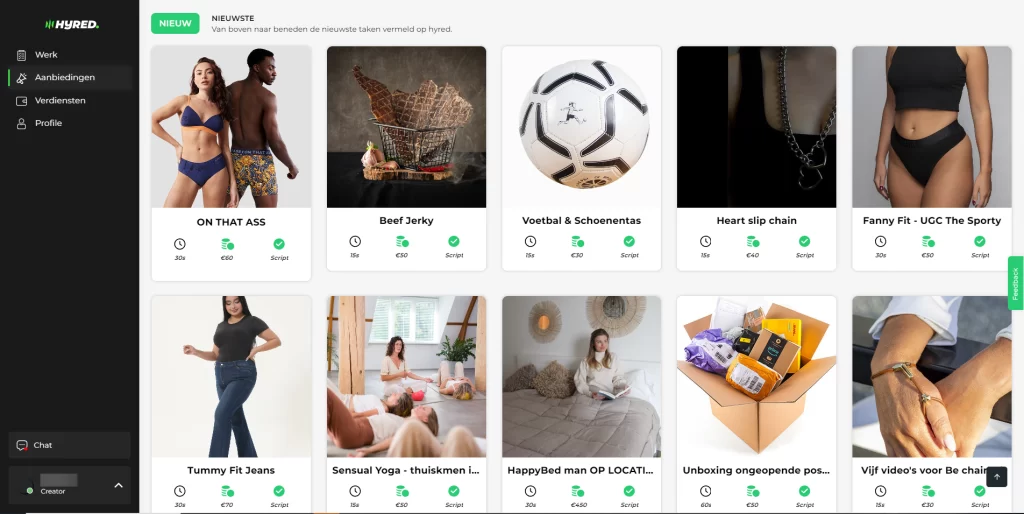
Through platforms like Hyred, you can work as a UGC creator with well-known brands and get paid for your content without needing thousands of followers.
Benefit: you get in touch with top brands for paid UGC assignments.
Drawback: platforms take a small fee to connect you with companies.
Different types of content creators
- Influencers: the so-called celebrities of social media, who have built a huge following through their content.
- Bloggers: writers with their own website, where they share long-form content in the form of text and images.
- Vloggers: video creators, especially active on YouTube, who film and share their daily lives on social media. Enzo Knol is often seen as the pioneer of this in the Netherlands.
- UGC creators: creators of brand content without the need for a large follower base.
- Streamers: mostly gamers who create game content for a live audience; because of live chat interactions, their communities are extremely close-knit.
- Creative strategist: the person behind the scenes who develops content strategies to work toward results. A creative strategist does not create the content directly, but is crucial to the success of content campaigns, especially within companies active on social media.
Whether you are just starting out or already have a large follower base, User Generated Content (UGC) is a format every content creator deals with. Look, for example, at Monica Geuze, who in 2024 made Rolling Sushi’s crispy sushi sandwich go completely viral with a simple UGC video on TikTok.
Do you need education as a Content Creator?
To be honest, there is no single fixed path to becoming a content creator. While agencies, marketing firms, or in-house roles often value a degree such as:
- Communication and Multimedia Design (HBO)
- Creative Business (HBO)
- Media Design (MBO)
- Marketing and Communications (MBO)
this is definitely not the only way to get a foot in the door in content creation.
In the creative sector, it is mainly about building a portfolio and being willing to develop new skills and knowledge yourself. Whether you want to write blogs or create social media content, the point is to keep learning and keep developing your talents.
Everyone has a different path to follow, and there is no right or wrong. One of the easiest ways to get started as a content creator is by making User Generated Content (UGC). At Hyred, you can start immediately without online followers or experience and work with companies. Create a free account and get started today!
How do you become a Social Media Content Creator?
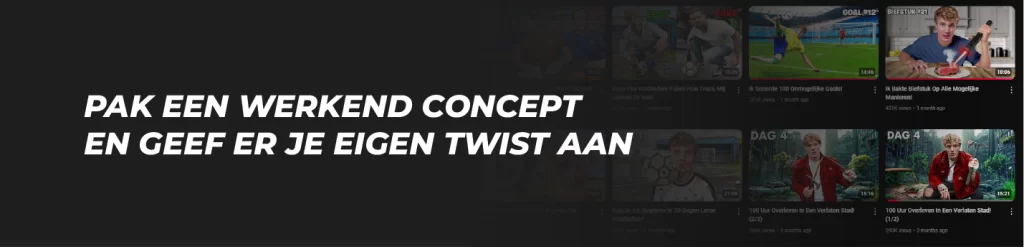
Most content creators teach themselves everything. It takes motivation, persistence, and sometimes a bit of luck to become successful.
After speaking with our best UGC creators, who used Hyred as a stepping stone, I put together a few steps that form the foundation of a successful career as a content creator.
Step 1: Find your niche
Choosing a niche helps you work in a focused way. Where does your passion lie? Fashion, gaming, fitness, finance? Pick a topic you are excited about, because that will help you attract an audience interested in the same thing.
For example, Pieter Valley started out making sketches about cringey but relatable situations. He still sometimes strays from his usual content, but the common thread stays the same.
Step 2: Build your personal brand
Who are you and what do you want to show? That is, in short, your personal branding. Ask yourself the following:
- How do you stand out?
- What makes your content different from the rest?
- Is your content recognizable, and if you are very critical, would you actually want to watch it yourself?
Your personal brand is what makes your content unique. That can be something simple like a particular color, but also music, language use, or the way you edit your content.
Speaking of editing, a Dutch content creator who built his entire brand around it is Jurrien Hendrix. His videos always have a surprising element and end with his well-known smile when he has played a trick on you.
Step 3: Choose the right platform, but use all platforms
Today the choice is mainly about long-form or short-form content. If you focus on long-form content, such as in-depth videos or vlogs, platforms like YouTube and Instagram are ideal. For short-form content, platforms like TikTok are perfect.
However, when you create long-form content, it is important to use all social media channels. Use your short-form content, such as TikTok videos or Instagram Reels, to promote your longer videos and other in-depth content and reach a broader audience.
Step 4: Create consistent, high-quality content
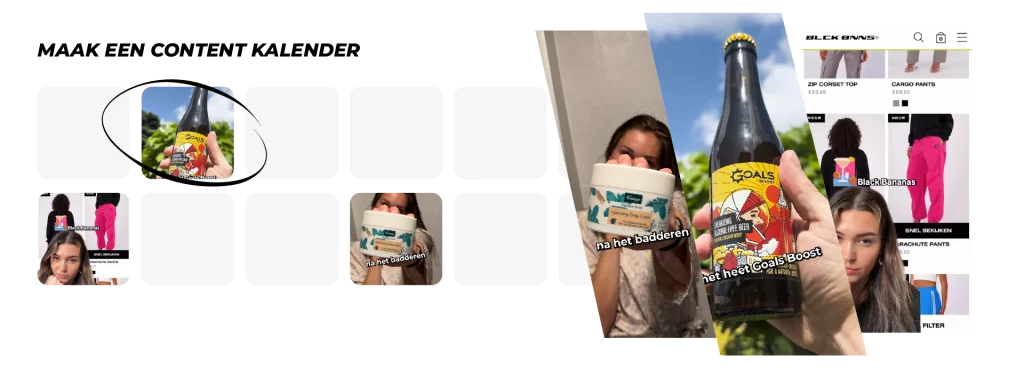
Make sure you spend time every day consuming content within your niche; this is probably already something you enjoy. It is also smart to combine evergreen content, content you can always post regardless of trends, with room to respond to current trends.
It is easy to start enthusiastically when you are full of motivation, but without a good plan you quickly run out of energy and get a yo-yo effect.
This way you never run out of ideas and you stay consistent. Because in the end, consistency is the key to success.
Step 5: Start and network
It may sound cliché, but most content creator dreams fail because of a lack of commitment. Many people are afraid of what others will think of their content, or even worse, they never really start because of that fear.
That is why it is important to surround yourself with like-minded people who share the same passion. Help each other move forward and encourage one another. This gives you the confidence to keep going and share your creations with the world.
Conclusion
You cannot paint content creation with one broad brush. Whether you start out of passion as a hobby and eventually become an influencer, or want to make a serious career out of it as a blogger, creative strategist, or account manager, there are countless possibilities.
Content creation is for everyone, whether you want to be in the spotlight or prefer to work behind the scenes to get results. All around us, we consume content, from social media to e-books, and even this blog you are reading now.