

Contents
Have you come across the term user generated content (UGC) and want to get started, but do not yet have any paid collaborations on your record? No problem. Even without paid assignments, you can build a strong UGC portfolio that helps you land paid work later. In this blog I give you practical tips to get started with UGC and make your own videos that are just as convincing as real campaign content. From the kinds of videos you can record to the equipment you need and how to make your content look professional. After reading, you can start right away with your own UGC portfolio!
Make videos as if they are for a campaign
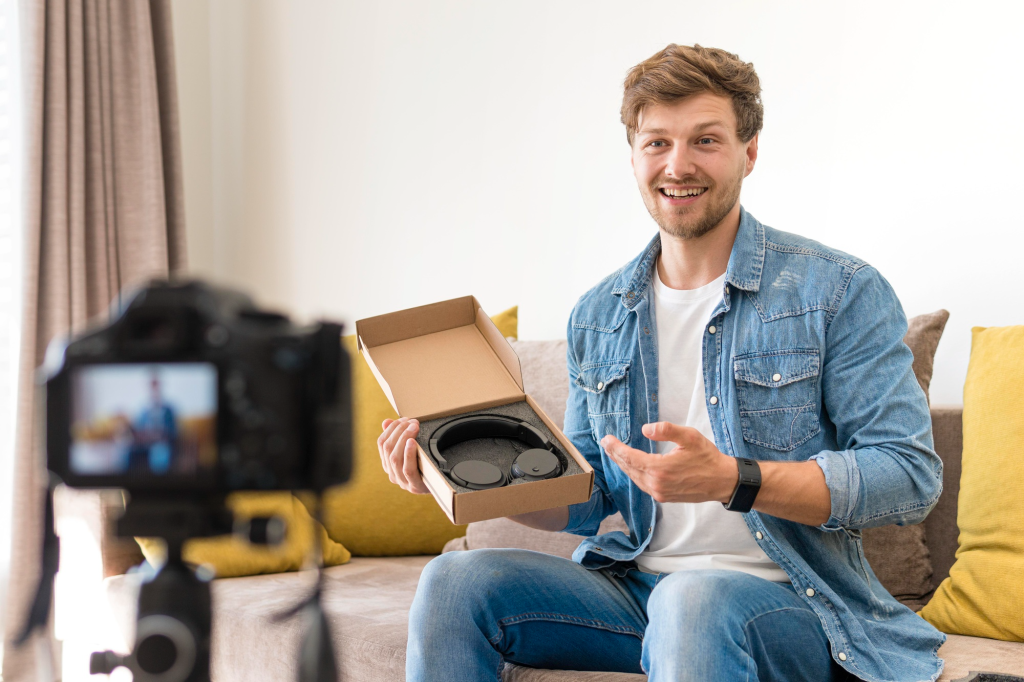
As a beginner UGC creator, you do not have to wait for a brand to get started. You can create videos as if you already have an assignment. Choose a product you have at home and act as if a company asked you to make a promotional video. It helps to pick something you are genuinely excited about so you come across as convincing and authentic. Do you have a favorite skincare cream or gadget? Perfect! Record a review or demonstration showing how amazing the product is in your everyday life. Do not be afraid to record several takes and act a little; many successful UGC creators start with these practice videos in their portfolio. As long as you show what you can do, it does not matter that it was not a paid deal.
Tip: Do you still have the packaging from an old product lying around? Use it to mimic an unboxing. It will look as if you are opening a brand-new product from a brand!
Create different kinds of UGC videos for your portfolio
A strong portfolio shows different video styles. Try to mix up your content so you show your versatility as a creator. Start with three to five short videos and vary the format. Here are some ideas:
Tutorial: Explain step by step how you use the product or share a useful hack with it. Instructional videos show that you can communicate clearly and provide value.
Testimonial: Give a short review or testimonial as if you are a satisfied customer. Tell in 30-60 seconds why you are a fan of the product and which problem it solves for you, in an honest and enthusiastic tone.
Lifestyle demonstration: Show the product in action in your everyday life. Think of a mini vlog or day in my life fragment in which the product plays a role. That gives a brand a view of how their product looks in a real situation.
Unboxing: Film yourself opening a product and give your spontaneous first reaction. This feels like your followers are unboxing live with you, which can be very convincing. (For example, “Wow, look how beautiful this packaging is!”)
Before and after: If the product has a measurable effect, such as a cleaning product or beauty product, briefly show the situation before and after use. These videos are popular because they show the effect clearly.

Prepare your content properly
Spontaneity matters, but filming completely on impulse can cause you to forget what you wanted to say halfway through. That is why a bit of preparation helps. Write a short script or at least bullet points for yourself in advance. Decide on one main message per video (for example: “This new blender saves me time every morning!”) and work out how you will convey that in image and words. A script does not mean your video becomes forced or fake; it gives you a framework while still letting you come across naturally. Memorize the main points and then speak freely; that way you sound smooth but authentic.
Also make sure you have a strong opening (the hook): the first 3 seconds of your video need to grab attention. Think of a provocative question, a striking statement, or something visually interesting. Example hook: “I cannot believe I have been doing this wrong all this time... until I found this gadget!”. That makes viewers curious about the rest.
Need inspiration? Scroll through TikTok and Instagram hashtags like #UGC, #UGCcreator, and niches you are interested in. You will quickly see what type of content resonates. Save good ideas and see whether you can add your own twist. You can also find inspiration on Hyred: check out our blogs and the examples of UGC videos created by creators. By looking at others a lot, you learn faster what works (and what does not). Try to spot trends too, such as certain editing styles, sound clips, or opening lines that are popular, and work them into your content in your own way.
Use products you already have at home
You do not need to buy new things every week to make content. Look creatively at the products you already have at home: with everyday items you can often come up with something cool. A few tips:
Use your favourites: Start with products you are a fan of. Your favourite book, a piece of clothing, a kitchen gadget, whatever. Your enthusiasm will automatically come through in the video, which makes for credible content.
Reuse packaging: Do not throw away nice packaging. You can reuse it later to simulate an unboxing. An empty shoe box or an old perfume box can suddenly look “new” again in your video!
Borrow from friends/family: Want to make content about something you do not own yourself? Ask around in your circle. Maybe you can borrow a product for a moment to record a video with it.
Create a setting: You do not need a professional studio. Use what you have at home to build an appealing setting. Think of a neat, calm background (for example a plain wall or a nice tablecloth) and props such as plants, books, or other items that fit the mood. That helps your product come into its own on screen.
Make sure your videos look professional
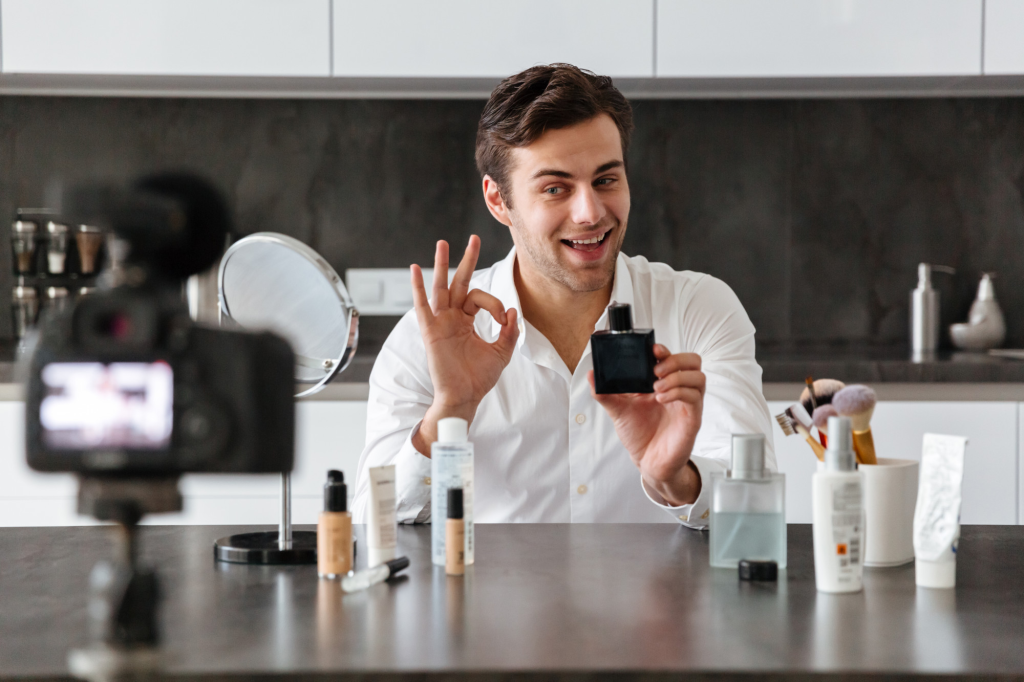
Now that you are filming, you naturally want the result to look polished rather than amateurish. With a few simple tricks you can make your videos look much more professional without expensive equipment or years of experience. Pay special attention to the following aspects:
Lighting: As mentioned, natural light is ideal. Film near a window and make sure the light falls from the front onto your face or the product for an even look. Avoid darkness or harsh shadows. If one side of your face is very dark, try holding a white surface (for example a sheet of paper or a reflector) on the shadow side to bounce and soften the light. Consistent lighting throughout your video makes a huge difference.
Sound: Bad sound can ruin a good video. Make sure you record in a quiet place: no background chatter, barking dogs, or humming washing machines. Speak clearly and with energy in your voice. If you film outside, watch out for wind noise. A short test recording can help you make sure everything sounds right. If you have a lot of talking in the video, consider a clip-on mic for extra clarity; such a small investment can improve your audio enormously.
Editing: Cut and trim to keep the pace up! Smooth editing makes your videos feel much more professional. Remove unnecessary pauses, “uhm”s, and slips of the tongue so the message comes across short and sharp. You do not need complicated software for this: free apps like CapCut, InShot, or iMovie are intuitive and ideal for editing on your phone. Add subtitles if needed (many people watch videos without sound) and a bit of background music to set the mood. Make sure you choose music that is free to use or use the audio inside the app (such as trending sounds on TikTok/Reels) to avoid hassle. Finally, you can use simple filters or color correction so all your shots look cohesive, but do not overdo it; UGC can feel a little raw. As long as the video is not boring and looks polished, you are good!
The equipment you need
Good news: to start as a UGC creator you do not need fancy equipment. In fact, most smartphones are enough! Here is the basic gear you need to make quality content:
Smartphone: A recent smartphone with a decent camera is usually enough. You really do not need an expensive DSLR or high-end video camera; current phones film in high resolution. Do check your camera settings and preferably film in 1080p or 4K for a sharp image.
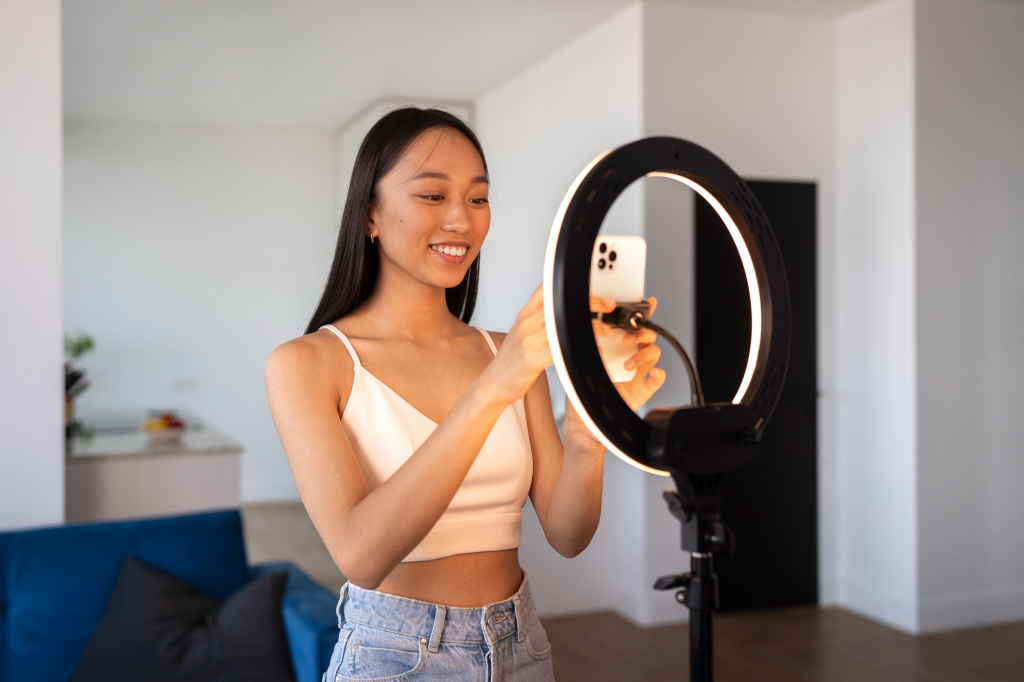
Lighting: Daylight is your best friend. Film during the day near a window for nice, soft light on you and the product. Avoid strong backlight (such as a window directly behind you) so your image does not go dark. As an extra, you can invest in a simple ring light for a few dozen euros if the light is insufficient. Good lighting makes everything clearly visible and immediately looks more professional.
Microphone: Clear audio is just as important as good video. Often the built-in phone microphone is fine, especially if you film in a quiet room. If you want to go one step further, consider an inexpensive clip-on microphone that clips to your shirt. Especially for speaking videos, that gives fuller sound and less noise. Always test your audio by listening back to a short clip so you know your voice is clearly understandable. Do not have a microphone at hand? Then make the environment extra quiet: close windows to reduce traffic or wind and switch off distracting appliances.
Tripod or support: Nothing is more distracting than a shaky camera. Use a tripod or phone holder for stable shots. Do not have one? Improvise with a stack of books or boxes to rest your phone against. The most important thing is that your image is steady and clean.
Time to get started
You now have all the basic tools to get going, so nothing is standing in the way of creating your UGC portfolio. Do not be afraid to make mistakes; you will notice that every video you make gets a little better. Practice makes perfect, and with every creative idea you execute you show more of your skills to the outside world. Do not forget to bundle your best work in a neat overview or presentation, for example in a shared Canva portfolio with clear titles and descriptions. Keep that portfolio up to date and regularly add new practice videos to show what you can do.
Finally: believe in yourself and make yourself visible. Share your content on social media, put “UGC creator” in your bio, and let everyone know that you are available. You can also get started and work with brands right away through platforms like Hyred, even without followers or experience. So grab your phone, gather your creativity, and start creating today. Before you know it, you will land your first paid UGC collaboration and have a portfolio you can be proud of. Good luck!